Understanding Home Inspections: Clarity and Confidence Unlocked
- matt61548
- 3 days ago
- 4 min read
When it comes to buying a home, the excitement can often overshadow the practicalities involved in the process. One of the most crucial steps that many first-time homebuyers overlook is the home inspection. A home inspection can be the difference between a dream home and a financial nightmare. In this post, we will explore the ins and outs of home inspections, helping you understand their importance and how they can provide clarity and confidence in your home-buying journey.
What is a Home Inspection?
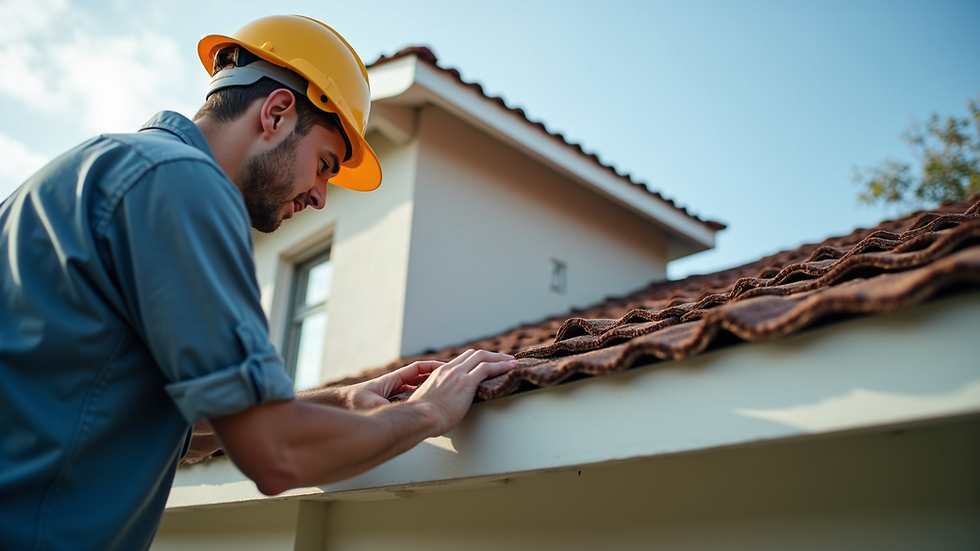
A home inspection is a thorough examination of a property's condition, typically conducted by a professional inspector. This process involves evaluating various components of the home, including:
Structural elements: Foundation, walls, and roof
Systems: Plumbing, electrical, and HVAC
Interior and exterior: Windows, doors, and siding
Safety issues: Smoke detectors, carbon monoxide detectors, and other safety features
The goal of a home inspection is to identify any existing or potential issues that could affect the property's value or safety.
Why is a Home Inspection Important?
Protecting Your Investment
Purchasing a home is one of the most significant financial decisions you will ever make. A home inspection helps protect this investment by uncovering hidden problems that could lead to costly repairs down the line. For example, a leaky roof may not be visible during a casual walkthrough but could result in thousands of dollars in damage if left unaddressed.
Negotiation Power
A home inspection report can serve as a powerful negotiation tool. If the inspector identifies issues, you can request repairs or a reduction in the sale price. This leverage can save you money and ensure that you are not stuck with unexpected expenses after closing.
Peace of Mind
Knowing the condition of your potential new home can provide peace of mind. A home inspection allows you to make an informed decision, ensuring that you are fully aware of what you are buying. This clarity can help you feel more confident in your choice.
What to Expect During a Home Inspection
The Process
A typical home inspection lasts between two to four hours, depending on the size and condition of the property. Here’s what you can expect during the inspection:
Arrival: The inspector will arrive at the property and introduce themselves. They may ask you questions about any concerns you have.
Exterior Inspection: The inspector will examine the exterior of the home, including the roof, siding, windows, and foundation.
Interior Inspection: Inside, the inspector will check the plumbing, electrical systems, appliances, and any visible structural elements.
Documentation: The inspector will take notes and photographs to document their findings.
Report: After the inspection, you will receive a detailed report outlining any issues found, along with recommendations for repairs.
What Inspectors Look For
Home inspectors are trained to identify a wide range of issues. Some common problems they look for include:
Water damage: Signs of leaks or moisture buildup
Pest infestations: Evidence of termites or rodents
Electrical issues: Outdated wiring or insufficient outlets
Structural concerns: Cracks in walls or foundation
Choosing the Right Home Inspector
Qualifications and Experience
When selecting a home inspector, it’s essential to choose someone with the right qualifications and experience. Look for inspectors who are certified by recognized organizations, such as the American Society of Home Inspectors (ASHI) or the International Association of Certified Home Inspectors (InterNACHI).
Reviews and Recommendations
Ask for recommendations from friends, family, or your real estate agent. Additionally, check online reviews to gauge the inspector's reputation. A good inspector should have a track record of thorough inspections and satisfied clients.
Sample Reports
Before hiring an inspector, request a sample report. This will give you an idea of their reporting style and the level of detail you can expect. A well-organized report should be easy to understand and include photographs of any issues found.
Common Misconceptions About Home Inspections
Home Inspections Are Only for Buyers
Many people believe that home inspections are only necessary for buyers. However, sellers can also benefit from a pre-listing inspection. This proactive approach allows sellers to address any issues before listing their home, making it more attractive to potential buyers.
All Home Inspectors Are the Same
Not all home inspectors are created equal. Their experience, training, and thoroughness can vary significantly. It’s crucial to do your research and choose an inspector who meets your needs.
A Home Inspection Guarantees a Problem-Free Home
While a home inspection can uncover many issues, it cannot guarantee that a home is free of problems. Inspectors can only assess what is visible and accessible at the time of the inspection. Hidden issues may still arise after the purchase.
The Cost of a Home Inspection
Average Costs
The cost of a home inspection can vary based on several factors, including the size of the home, its location, and the inspector's experience. On average, home inspections range from $300 to $500. While this may seem like an added expense, it is a small price to pay for the peace of mind and potential savings it can provide.
Additional Services
Some inspectors offer additional services, such as radon testing, mold inspections, or pest inspections, for an extra fee. Consider whether these services are necessary for your situation, especially if you are in an area prone to specific issues.
After the Inspection: Next Steps
Reviewing the Report
Once you receive the inspection report, take the time to review it carefully. Pay attention to any major issues that could impact your decision to purchase the home. If you have questions, don’t hesitate to reach out to the inspector for clarification.
Making Decisions
Based on the findings, you will need to decide how to proceed. You may choose to:
Request repairs from the seller
Negotiate a lower price
Walk away from the deal if significant issues are uncovered
Planning for Repairs
If you decide to move forward with the purchase, consider budgeting for any necessary repairs. Having a clear understanding of what needs to be addressed will help you plan for the future.
Conclusion
A home inspection is a vital step in the home-buying process that can provide clarity and confidence. By understanding what to expect, choosing the right inspector, and knowing how to interpret the findings, you can make informed decisions that protect your investment. Remember, knowledge is power, and being proactive can save you time, money, and stress in the long run.
As you embark on your home-buying journey, prioritize the home inspection. It is not just a formality; it is a crucial step that can unlock the door to your dream home with confidence.


Comments