Prevent Costly Issues: Home Maintenance Must-Knows
- matt61548
- 3 days ago
- 4 min read
Homeownership is a rewarding experience, but it comes with its fair share of responsibilities. One of the most critical aspects of owning a home is regular maintenance. Neglecting this can lead to costly repairs and a decline in property value. In this post, we will explore essential home maintenance tips that can help you avoid expensive issues down the line.

Understanding the Importance of Home Maintenance
Home maintenance is not just about keeping your property looking good. It plays a vital role in ensuring safety, comfort, and efficiency. Regular upkeep can prevent small problems from escalating into major repairs. Here are some reasons why home maintenance is essential:
Safety: Regular checks can identify potential hazards, such as faulty wiring or plumbing leaks, that could pose risks to your family.
Cost Savings: Preventative maintenance is often less expensive than emergency repairs. For instance, fixing a small roof leak can save you from a complete roof replacement.
Increased Property Value: A well-maintained home retains its value better than one that is neglected. This is crucial if you plan to sell in the future.
Energy Efficiency: Regular maintenance can improve your home’s energy efficiency, leading to lower utility bills.
Seasonal Maintenance Checklist
To keep your home in top shape, it’s helpful to follow a seasonal maintenance checklist. Here’s a breakdown of what to focus on each season:
Spring Maintenance
As the weather warms up, it’s time to tackle the following:
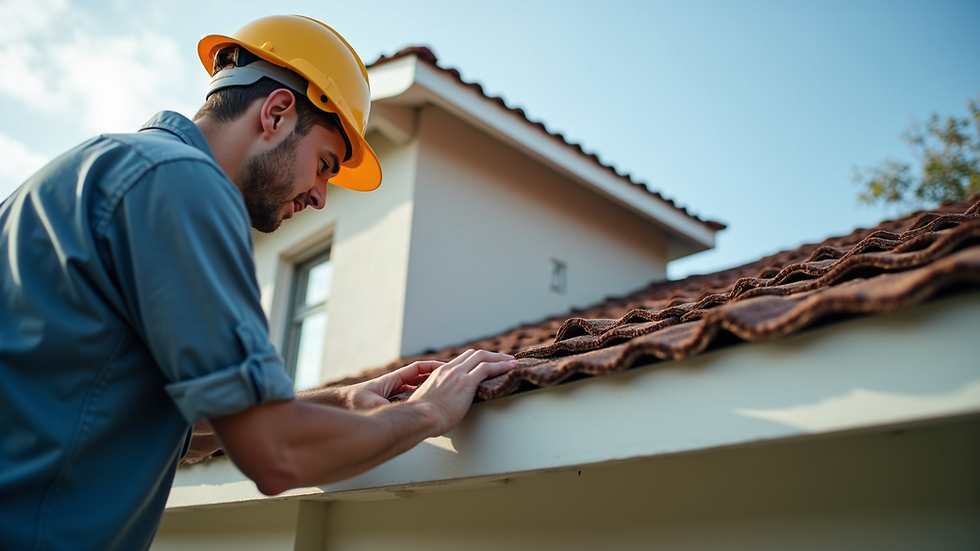
Inspect the Roof: Look for missing shingles or signs of wear. Address any issues before the rainy season.
Clean Gutters: Remove debris to ensure proper drainage and prevent water damage.
Check HVAC Systems: Schedule a professional service to prepare your heating and cooling systems for the upcoming seasons.
Summer Maintenance
During the summer months, focus on outdoor maintenance:
Lawn Care: Keep your lawn healthy by mowing regularly and watering appropriately.
Inspect Decks and Patios: Look for signs of rot or damage and treat or repair as necessary.
Check for Pests: Inspect your home for signs of pests and take preventive measures.
Fall Maintenance
As temperatures drop, prepare your home for winter:
Winterize Your Home: Insulate pipes, check windows for drafts, and seal any gaps.
Service Heating Systems: Ensure your furnace is in good working order before the cold sets in.
Clean Chimneys: If you have a fireplace, have it cleaned and inspected to prevent chimney fires.
Winter Maintenance
In winter, focus on keeping your home safe and warm:
Monitor Heating Systems: Keep an eye on your heating system and change filters regularly.
Prevent Ice Dams: Ensure your roof is clear of snow and icicles to prevent ice dams from forming.
Check Smoke and Carbon Monoxide Detectors: Test these devices monthly and replace batteries as needed.
Key Areas to Focus On
While seasonal maintenance is crucial, there are specific areas of your home that require regular attention throughout the year:
Plumbing
Plumbing issues can lead to significant damage if not addressed promptly. Here are some tips:
Inspect for Leaks: Regularly check under sinks and around toilets for signs of leaks.
Know Your Main Water Shut-Off: Familiarize yourself with the location of your main shut-off valve in case of emergencies.
Flush Water Heaters: To prevent sediment buildup, flush your water heater annually.
Electrical Systems
Electrical problems can be dangerous. Keep your home safe by:
Checking Outlets and Switches: Look for any signs of damage or wear.
Updating Old Wiring: If your home has outdated wiring, consider upgrading to prevent fire hazards.
Installing GFCI Outlets: These outlets are essential in areas prone to moisture, such as kitchens and bathrooms.
Roof and Exterior
Your roof and exterior are your home’s first line of defense against the elements. Regular checks can prevent costly repairs:
Inspect Roof Shingles: Look for curling, cracking, or missing shingles.
Check Siding: Look for signs of rot or damage and repaint as necessary.
Maintain Landscaping: Trim trees and shrubs to prevent them from damaging your home during storms.
The Benefits of Professional Inspections
While DIY maintenance is essential, some tasks are best left to professionals. Here are some benefits of hiring experts:
Expertise: Professionals have the training and experience to identify issues that may not be visible to the untrained eye.
Time-Saving: Hiring a professional can save you time and effort, allowing you to focus on other priorities.
Warranty Protection: Many professionals offer warranties on their work, providing peace of mind.
Budgeting for Home Maintenance
To avoid financial strain, it’s wise to budget for home maintenance. Here’s how to create a maintenance budget:
Estimate Annual Costs: Research typical maintenance costs for your home type and location.
Set Aside Funds Monthly: Create a dedicated savings account for maintenance and contribute monthly.
Prioritize Repairs: Identify which repairs are urgent and which can wait, allowing you to allocate funds effectively.
Conclusion
Regular home maintenance is crucial for protecting your investment and ensuring a safe, comfortable living environment. By following a seasonal checklist, focusing on key areas, and budgeting wisely, you can prevent costly issues and enjoy your home for years to come. Start implementing these tips today, and take the first step towards a well-maintained home. Remember, a little effort goes a long way in preserving your property’s value and your peace of mind.

Comments