Essential Home Inspection Tips for First-Time Buyers
- matt61548
- 3 days ago
- 4 min read
Buying your first home is an exciting journey, but it can also be overwhelming. One of the most crucial steps in this process is the home inspection. This is your opportunity to uncover potential issues before making a significant financial commitment. In this post, we will explore essential home inspection tips that every first-time buyer should know to ensure a smooth and informed purchasing experience.

Understanding the Importance of Home Inspections
A home inspection is a thorough examination of a property's condition, typically conducted by a professional inspector. This process helps buyers identify any existing problems or potential future issues that could affect the home's value or safety. Here are some key reasons why home inspections are vital:
Uncover Hidden Problems: Many issues, such as plumbing leaks or electrical problems, may not be visible during a casual walkthrough. A home inspection can reveal these hidden concerns.
Negotiate Repairs: If the inspection uncovers significant issues, you can negotiate repairs or a price reduction with the seller.
Peace of Mind: Knowing the condition of your potential new home can provide peace of mind, allowing you to make an informed decision.
Choosing the Right Home Inspector
Selecting a qualified home inspector is crucial for a successful inspection. Here are some tips for finding the right professional:
Research Credentials: Look for inspectors who are certified by recognized organizations, such as the American Society of Home Inspectors (ASHI) or the International Association of Certified Home Inspectors (InterNACHI).
Read Reviews: Check online reviews and ask for recommendations from friends or family who have recently purchased homes.
Interview Inspectors: Don’t hesitate to ask potential inspectors about their experience, inspection process, and what they will cover during the inspection.
Preparing for the Home Inspection
Preparation is key to ensuring a smooth inspection process. Here are steps you can take:
Be Present: If possible, attend the inspection. This allows you to ask questions and gain a better understanding of the property's condition.
Provide Access: Ensure that the inspector has access to all areas of the home, including the attic, basement, and any outbuildings.
Gather Documentation: If the seller has provided any maintenance records or warranties, have these ready for the inspector to review.
What to Expect During the Inspection
Understanding what happens during a home inspection can help you feel more comfortable. Here’s a breakdown of the typical inspection process:
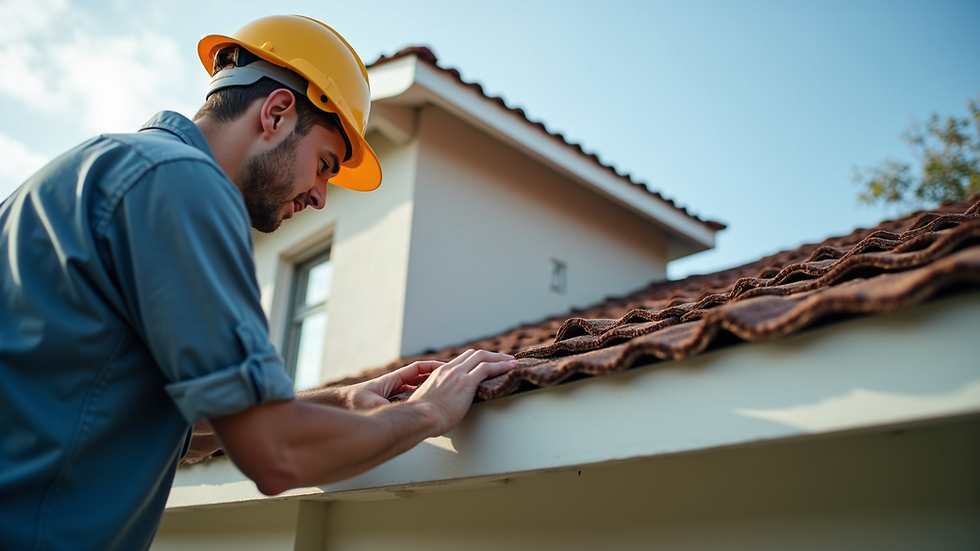
Exterior Inspection: The inspector will examine the roof, siding, windows, and foundation for signs of damage or wear.
Interior Inspection: Inside, the inspector will check the plumbing, electrical systems, heating and cooling systems, and appliances.
Safety Checks: The inspector will look for safety hazards, such as mold, radon, or carbon monoxide issues.
Key Areas to Focus On
While a home inspector will cover many aspects of the property, there are specific areas that first-time buyers should pay extra attention to:
Roof and Gutters
The roof is one of the most critical components of a home. Look for:
Missing or Damaged Shingles: This can lead to leaks and water damage.
Gutter Condition: Ensure gutters are clear and functioning properly to prevent water damage to the foundation.
Plumbing System
Plumbing issues can be costly to repair. Check for:
Leaks: Look for signs of water damage around sinks, toilets, and pipes.
Water Pressure: Test faucets to ensure adequate water pressure.
Electrical System
A safe electrical system is essential for any home. Inspect for:
Outdated Wiring: Ensure the home has modern wiring and circuit breakers.
Functioning Outlets: Test outlets to confirm they are working properly.
HVAC System
The heating and cooling system is vital for comfort. Pay attention to:
Age of the System: Older systems may need replacement soon.
Maintenance Records: Ask for records of any recent maintenance or repairs.
After the Inspection: Next Steps
Once the inspection is complete, you will receive a detailed report from the inspector. Here’s how to proceed:
Review the Report: Carefully read through the findings and take note of any major issues.
Discuss with Your Agent: Talk to your real estate agent about the report and what it means for your purchase.
Negotiate Repairs or Price Adjustments: If significant issues are found, you may want to negotiate with the seller for repairs or a reduction in the sale price.
Common Issues Found During Inspections
Understanding common issues can help you prepare for what might be uncovered during your inspection. Here are a few frequent findings:
Water Damage: Often found in basements or around windows, this can indicate leaks or poor drainage.
Pest Infestations: Termites or rodents can cause significant damage if not addressed.
Structural Issues: Cracks in walls or foundations may signal serious problems that require immediate attention.
The Role of Home Warranties
Consider investing in a home warranty, which can provide additional protection after your purchase. A home warranty typically covers the repair or replacement of major systems and appliances, offering peace of mind for first-time buyers.
Final Thoughts
Navigating the home inspection process can be daunting for first-time buyers, but being informed and prepared can make a significant difference. By understanding the importance of inspections, choosing the right inspector, and knowing what to look for, you can ensure that your home-buying experience is as smooth as possible.
Remember, a home inspection is not just a formality; it is a critical step in protecting your investment and ensuring your new home is safe and sound. Take the time to educate yourself, ask questions, and make informed decisions. Happy house hunting!

Comments